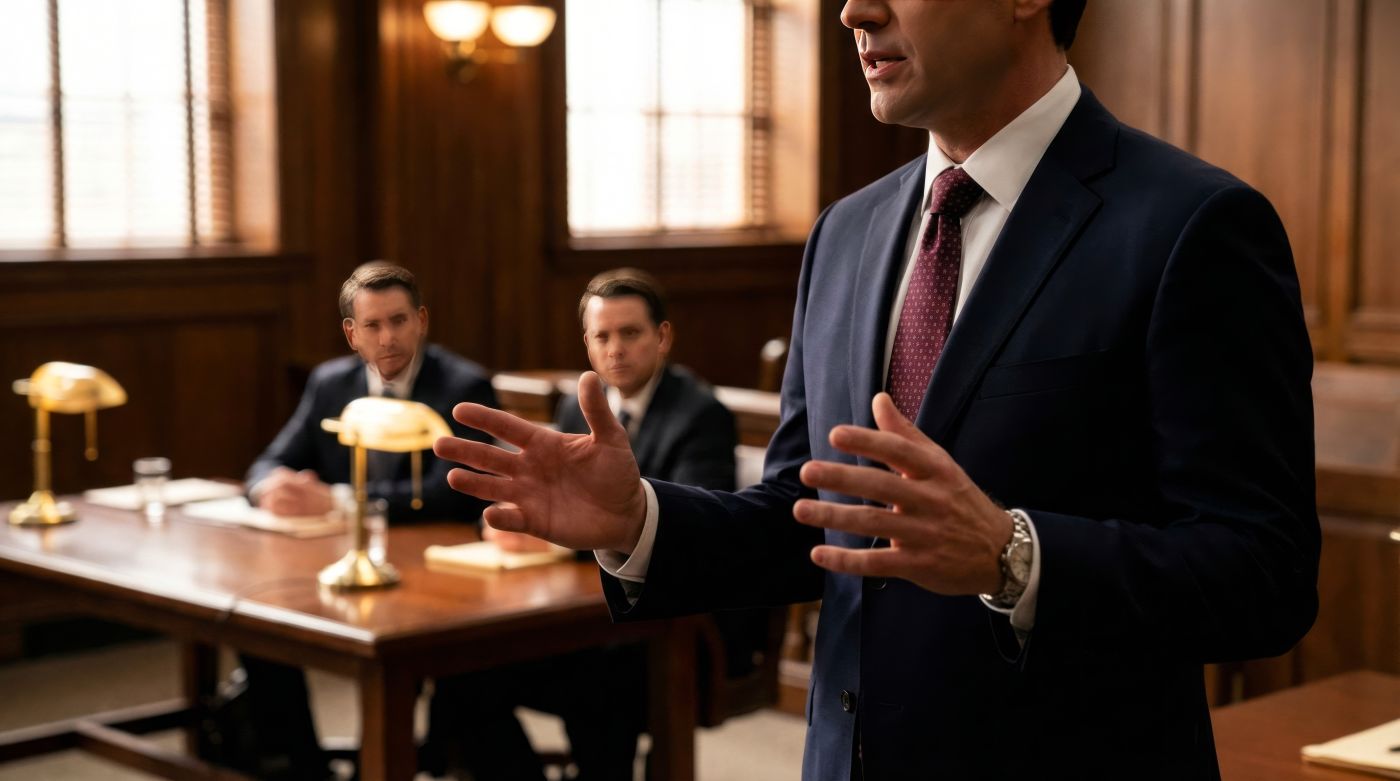
One mistake attorneys can make when preparing for your child's impartial hearing is focusing too much on the family's history instead of the legal issues the hearing officer must decide. An effective opening statement should explain which school district decisions you're challenging, what the evidence is expected to show, and what outcome you're seeking.
In New York, your attorney should focus on the issues raised in your due process complaint, identify who bears the burden of proof, and explain the specific relief you're requesting. However, the hearing officer controls whether opening statements are permitted, and your attorney cannot use one to introduce claims that were not properly raised in your complaint.
At the Law Offices of Joseph M. Fein, I represent families in Cedarhurst and throughout Nassau County and Long Island at impartial hearings involving IEPs, placements, and tuition reimbursement. If your hearing is approaching, I can review your complaint, evidence, and requested relief so your first-day presentation matches what the hearing officer can decide.
Your Due Process Complaint Sets the Limits
Your due process complaint generally determines which issues the hearing officer can decide. Under New York regulations, you cannot raise new issues during the hearing unless the other party agrees or you properly amend your complaint.
Amending your complaint also comes with specific requirements. You need either the school district's written consent or the hearing officer's permission. The hearing officer must grant permission at least five calendar days before the first hearing day. An amendment also restarts certain hearing timelines.
This is why reviewing your complaint before the hearing is important. For example, if your complaint does not mention a dispute over transportation or related services, your attorney generally cannot introduce that issue during the opening statement. Doing so could lead to an objection and prevent the hearing officer from considering that claim.
Who Has the Burden of Proof?
In most New York impartial hearings, the school district carries the burden of proof. Under New York Education Law Section 4404, the district must present evidence and convince the hearing officer that its position is correct. However, if you're seeking tuition reimbursement for a private school you chose for your child, you must prove that the school is appropriate for your child's needs.
Your attorney should consider these responsibilities when preparing the opening statement. If you're challenging whether the school district offered your child a free appropriate public education (FAPE), the opening should explain which parts of the district's proposed program you dispute and what the evidence is expected to show.
If you're also requesting tuition reimbursement, your attorney should explain how the private school meets your child's needs. Focusing only on the school district's shortcomings without addressing the appropriateness of your chosen school could leave an important part of your case unanswered.
The Five-Day Disclosure Rule
Your opening should promise only evidence that has been properly disclosed. Each side must share its evidence with the other at least five business days before the hearing, and the hearing officer may bar evidence that missed that deadline unless the other side consents, according to the State Education Department's guidance on impartial hearings.
This rule catches attorneys who build the opening around a private evaluation, progress report, or expert letter that arrived late. If the hearing officer excludes it, the opening has promised something the record will never contain, and the gap is noticeable. Before I draft an opening, I check every exhibit and witness I plan to mention against what was actually disclosed and when.
Speaking to a Hearing Officer, Not a Jury
The person deciding your case is a lawyer, not a jury. New York requires impartial hearing officers to be attorneys in good standing with at least two years of experience in education, special education, disability rights, or civil rights. They do not need the law explained at length. They need organization: which school years are at issue, which recommendations you challenge, which witnesses support each point, and how the evidence connects to the legal standard.
State guidance strongly encourages a prehearing conference to clarify the issues, witnesses, and exhibits. An opening that follows the structure settled at that conference earns credibility. At the same time, one that drifts into a general history of the family's frustrations makes even strong evidence harder to follow. Keeping the opening tied to the record is central to my education litigation work.
Ask for the Remedy You Actually Need
The opening should close with the specific relief you want, because a hearing officer can only order what the record supports. A general request for "appropriate services" gives little to work with. Name the remedy instead: tuition reimbursement for a particular school year, compensatory services in a stated amount, an independent evaluation at public expense, or specific changes to the IEP.
For tuition reimbursement, hearing officers apply a three-part analysis drawn from U.S. Supreme Court decisions: whether the district failed to offer an appropriate program, whether your chosen placement is appropriate, and whether fairness considerations, such as the notice you gave the district before enrolling your child, support reimbursement. An opening that addresses all three, rather than only the first, shows the hearing officer you understand the full case you must make.
If you dispute where your child stays while the case is pending (pendency), raise it at the outset. State guidance directs hearing officers to decide pendency as soon as possible and before other issues.
Compassionate Legal Assistance When Your Family Needs It Most
I am a disability and education lawyer, and I have helped many New York families obtain the special education and related services their disabled children need to succeed. I have represented children and their families in public schools, private schools, and therapeutic programs. I am also the father of a child with special needs, which shapes how I approach every family's case.
A strong opening starts long before the hearing date. I review the complaint for gaps while amendment is still possible, organize disclosures around the five-day deadline, and build the opening around the burdens and remedies that apply to your child's case. As a Cedarhurst special education attorney, I represent families throughout Nassau County and Long Island. If your impartial hearing is approaching, call my office at (516) 774-5570 to talk through your complaint and what you need the hearing officer to order.